

The Cold Hard Truth About Why Your AC Stopped Cooling


When Your AC Stops Cooling in Arizona, Here's What to Check First
If you're dealing with ac not cooling properly what to check, start with these most common causes:
1. Thermostat set incorrectly - Make sure it's on "Cool" mode, not "Fan" or "Heat," and the set temperature is lower than the current room temperature
2. Dirty or clogged air filter - A clogged filter blocks airflow and is the single most common cause of poor cooling
3. Tripped circuit breaker - Check your electrical panel for a tripped breaker connected to your AC
4. Blocked or dirty outdoor condenser unit - Debris, dirt, or overgrown landscaping around the unit prevents heat from escaping
5. Frozen evaporator coil - Ice buildup on indoor coils stops cold air from reaching your vents
6. Low refrigerant - A leak in the system reduces your AC's ability to cool effectively
7. Failing compressor or capacitor - Mechanical failures that require a professional to diagnose and repair
Here in the Arizona desert, a malfunctioning AC isn't just an inconvenience — it's a genuine health concern. More than 1,300 people across the U.S. die each year from extreme heat, according to the EPA, and in places like Chandler, Gilbert, Mesa, and Queen Creek, summer temperatures regularly push past 110°F. When your air conditioner runs but doesn't cool, every minute matters.
The good news? Many of the most common reasons an AC stops blowing cold air are things you can check yourself in under an hour — no tools required. Others point to deeper mechanical issues that need a trained technician. This guide walks you through both, so you can quickly figure out what's going on and get your home cool again.

Start with the Basics: AC Not Cooling Properly What to Check First
Before you assume the worst (and start eyeing your savings account for a new unit), let’s look at the simple stuff. Sometimes, the solution to ac not cooling properly what to check is as simple as a flick of a switch or a fresh pair of batteries.
Thermostat Settings and Calibration
It sounds obvious, but you’d be surprised how often a stray elbow or a curious child can bump the thermostat. The first thing we always recommend is verifying that your thermostat is actually set to "Cool." If it’s on "Heat" or "Fan Only," the system will blow air, but it won't be chilled.
Next, check the temperature setting. It needs to be at least a few degrees lower than the current room temperature to trigger the cooling cycle. If the screen is blank, your batteries might be dead. If the screen is on but the temperature seems "off," you may need to look into AC Thermostat Calibration to ensure it’s reading the room correctly.
The "Auto" vs. "On" Fan Debate
This is a big one for Arizona homeowners. If your thermostat fan setting is set to "On," the fan runs 24/7, even when the AC isn't actually cooling the air. This can make it feel like the AC is blowing warm air during the gaps between cooling cycles. Setting it to "Auto" ensures the fan only blows when the air is actually being refrigerated.
Power Issues and Tripped Breakers
If your indoor unit is humming but nothing is happening outside, you might have a power issue. High-demand periods in Mesa or San Tan Valley can occasionally trip a circuit breaker. Check your main electrical panel. If the breaker for the AC is in the middle position, flip it all the way to "Off" and then back to "On."
Don't forget the outdoor disconnect switch, usually located in a small box mounted on the wall near your condenser. If someone was doing yard work recently, they might have accidentally bumped it to the "Off" position. If your system won't respond to any power checks, you might be facing a situation where the AC Not Turning On at all, which often indicates an electrical failure.
Airflow Obstructions and Dirty Filters
If the power is on and the settings are right, but the air coming out of your vents feels like a weak, lukewarm breeze, you almost certainly have an airflow problem.
The Grime of the Desert: Air Filter Replacement
In April 2026, we’ve already seen our fair share of dust storms across the Valley. In Arizona, our air filters work ten times harder than filters in other parts of the country. A heavily clogged filter acts like a wall, preventing air from entering the system. When the system can’t "breathe," it can’t cool.
We recommend checking your filter every 30 days. If you can't see light through it when holding it up to a lamp, it's time for a change. Ignoring this leads to a cascade of HVAC System Problems that are much more expensive than a $15 filter.
Blocked Returns and Supply Registers
Take a walk through your house. Is there a giant beanbag chair sitting on top of a floor vent? Did you close the vents in the guest room to "save energy"?
Pro Tip: Closing vents actually makes your AC work harder by increasing the pressure inside your ductwork. This can lead to leaks or even cause the blower motor to burn out. Keep at least 80% of your vents open at all times. Also, ensure your return air grilles (the big ones) aren't blocked by furniture or curtains.
Symptoms Comparison: Thermostat vs. Airflow
• AC won't kick on at all — Likely Thermostat Issue: Yes — Likely Airflow/Filter Issue: No
• Air is blowing but it's warm — Likely Thermostat Issue: Yes — Likely Airflow/Filter Issue: Yes
• Airflow is very weak — Likely Thermostat Issue: No — Likely Airflow/Filter Issue: Yes
• Unit cycles on and off rapidly — Likely Thermostat Issue: Yes — Likely Airflow/Filter Issue: Yes
• Ice is forming on the unit — Likely Thermostat Issue: No — Likely Airflow/Filter Issue: Yes
If your system is shutting down frequently, it might also be a safety switch triggered by a clogged AC Drain Line. When water can't exit your home, the system shuts down to prevent a flood in your attic or closet.
Inspecting the Outdoor Condenser and Indoor Coils
Once you've cleared the indoor hurdles, it's time to head outside. Your AC doesn't actually "create" cold; it removes heat from your home and dumps it outside. If the outdoor unit can't breathe, that heat stays trapped in your living room.
Why the outdoor unit is an ac not cooling properly what to check priority
Your outdoor condenser unit is a heat exchanger. It uses a large fan to pull air through metal fins (coils) to cool down the refrigerant. In Gilbert or Gold Canyon, yard waste like dry grass clippings, leaves, and even desert "dust bunnies" can coat these coils.
If the coils are covered in grime, the heat transfer fails. You can gently hose off the exterior of the unit (with the power off!) to remove loose debris. However, if the dirt is caked in deep, you’ll need a professional AC Coil Cleaning to restore efficiency. Also, check for bent fins. If the delicate metal slats are crushed, air can't pass through them.
Identifying a frozen evaporator coil: ac not cooling properly what to check
It sounds like a paradox: how can an AC be "frozen" when it's 110 degrees in Mesa? If you see ice on the copper refrigerant lines leading into your indoor unit, or if the unit is dripping excessive water, you have a frozen evaporator coil.
This usually happens for two reasons:
1. Low Airflow: If a dirty filter or blocked vent prevents warm air from hitting the cold coils, they get too cold and turn humidity into ice.
2. Low Refrigerant: Counterintuitively, low refrigerant levels cause the coils to drop below freezing.
If you find ice, turn the AC off immediately and switch the fan to "On." This helps thaw the ice. Running a frozen AC can lead to AC Freezing Up permanently by damaging the compressor. Once the ice is gone, you can investigate if the cause was a simple filter or a more serious AC Not Cooling issue.
Mechanical and Refrigerant Issues Requiring Professional Care
If you’ve checked the thermostat, changed the filter, and cleaned the outdoor unit, but the air is still warm, we’re likely looking at a mechanical failure. These are not DIY projects.
Refrigerant Leaks
Your AC uses a chemical called refrigerant to move heat. This is a closed-loop system, meaning it should never "run out." If it’s low, you have a leak. Signs of a leak include hissing or bubbling noises near the unit or ice on the lines. If you see water pooling where it shouldn't, you might think it's an AC Leaking Water issue, but it's often the result of a coil thawing after a refrigerant-related freeze.
Capacitor and Compressor Failures
The capacitor is like a giant battery that gives your AC the "kick" it needs to start the motor. In our intense Arizona heat, these are often the first components to fail. If you hear a humming or clicking sound coming from the outdoor unit but the fan isn't spinning, you likely need an AC Capacitor Check.
The compressor is the "heart" of the system. If it fails, the refrigerant can’t circulate, and the cooling stops entirely. If your system is more than 10-12 years old and the compressor dies, it’s often one of the 7 Signs Your Air Conditioner Needs to be Replaced.
Don't ignore the Air Conditioner SOS: Warning Signs Your Air Conditioner Needs Repair. Strange smells, loud banging noises, or a sudden spike in your Mesa electric bill are all cries for help from your HVAC system.
Frequently Asked Questions about AC Troubleshooting
Why is my AC running but the house temperature is rising?
This usually indicates that the mechanical parts of the system are moving (the fan is blowing), but the refrigeration cycle has failed. This could be due to a dead capacitor, a tripped outdoor breaker, or a total loss of refrigerant. If the air coming out of the vents is the same temperature as the air in the room, the "cooling" part of the air conditioner isn't working.
Should I turn off my AC if it isn't blowing cold air?
Yes! If your AC is running but not cooling, you should turn it off at the thermostat. Continuing to run a malfunctioning system can cause the compressor to overheat or the coils to freeze, leading to much more expensive repairs. It's better to be warm for an hour while waiting for a tech than to replace a $3,000 compressor because you left it running.
How often should I change my filters in Queen Creek, AZ?
While the standard advice is every 90 days, the Queen Creek and San Tan Valley areas are prone to high dust levels due to nearby construction and open desert. We recommend checking your filters every 30 days and replacing them at least every 60 days during the peak summer months.
Conclusion: Keeping Your Arizona Home Cool
When you're faced with ac not cooling properly what to check, the smallest details often make the biggest difference. A simple filter swap or a thermostat adjustment can save you a world of stress. However, the best way to avoid these "no-cool" emergencies is through consistent, preventative care.
There are at least 11 Signs Your AC Needs Professional Maintenance, and catching them in the spring can prevent a total breakdown in July. At Paragon Service Pros, we know exactly what the Arizona heat does to HVAC systems. Whether you're in Chandler, Gilbert, Mesa, or San Tan Valley, we’re here to ensure your home remains a sanctuary from the desert sun.
If you’ve gone through your checklist and the air is still warm, don't sweat it out. Contact us today for expert AC Repair. We offer same-day appointments and transparent service to get your comfort back on track immediately.
Why Paragon Service Pros?

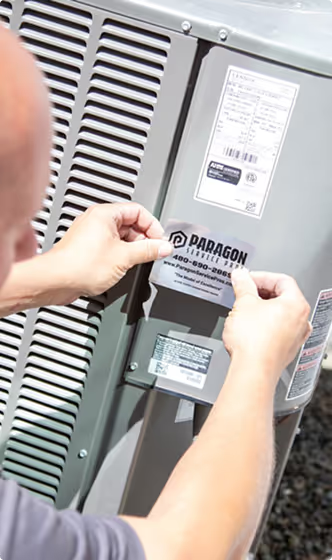

Expert HVAC Services We Provide
Reliable service starts with experts you can trust in your home. We deliver honest, efficient solutions backed by skilled technicians who get the job done right the first time.


At Paragon Service Pros, we don’t just understand HVAC; we understand the Arizona heat. With local offices in Queen Creek and Tempe, we provide rapid, reliable cooling and heating solutions tailored to the East Valley lifestyle. Whether you’re dealing with a mid-July breakdown or looking to upgrade your home’s efficiency, our team is right around the corner, ready to serve our neighbors with integrity.

24/7 Emergency HVAC Repair & Diagnostics
Energy-Star® Certified System Installations
Full-Service Heating & Cooling System Maintenance
Custom Ductwork Design & Airflow Optimization
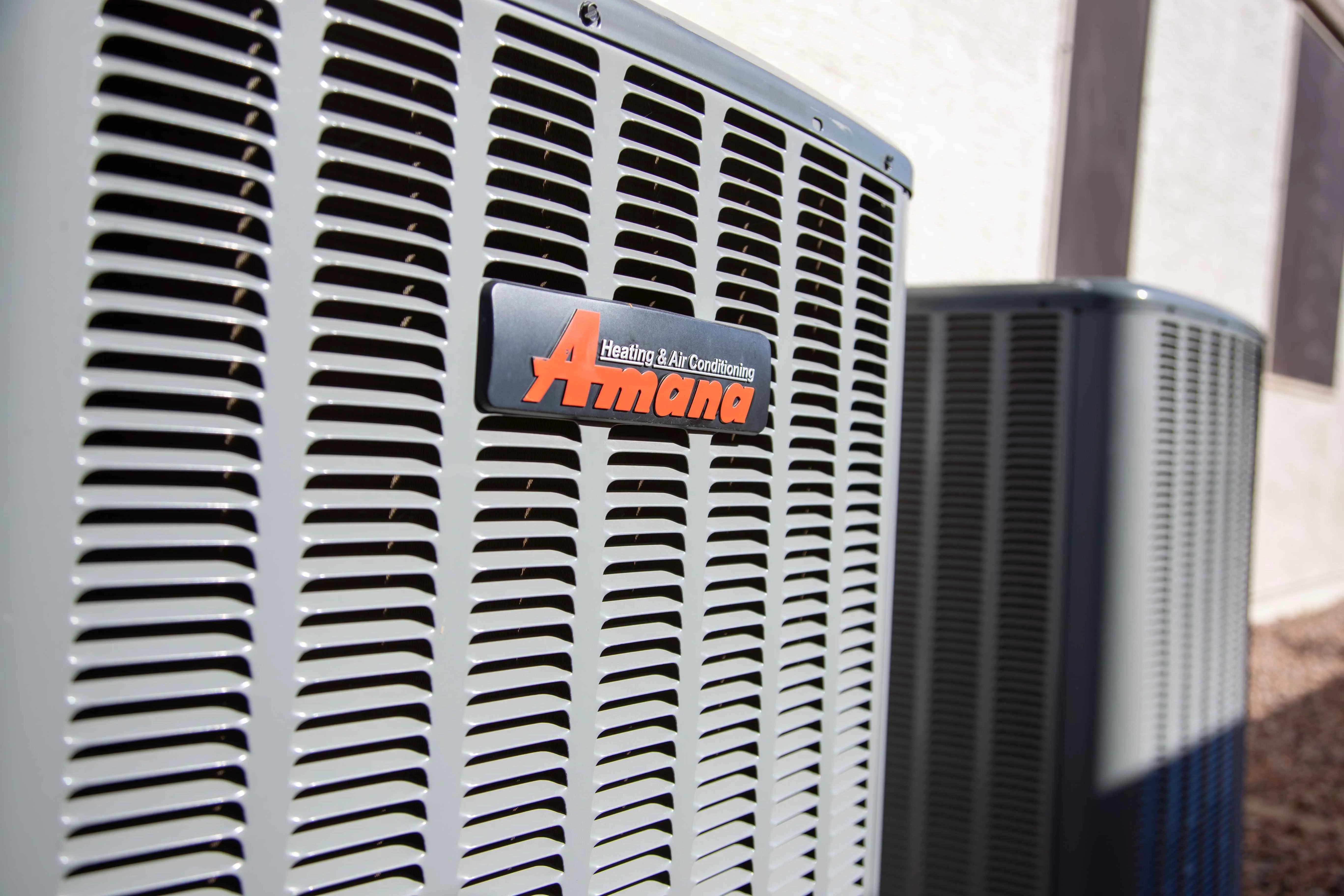
In Arizona, a working AC isn't a luxury—it's a necessity. Our Tempe and Queen Creek teams specialize in high-efficiency cooling systems designed to withstand 110°+ temperatures. From emergency repairs to new system installations, we ensure your Arizona home remains a sanctuary from the desert heat.
Emergency AC Repair & 24/7 Troubleshooting
Precision Tune-Ups & Seasonal Maintenance
High-Efficiency AC Installation & Replacement
Multi-Zone Ductless Mini-Split Systems
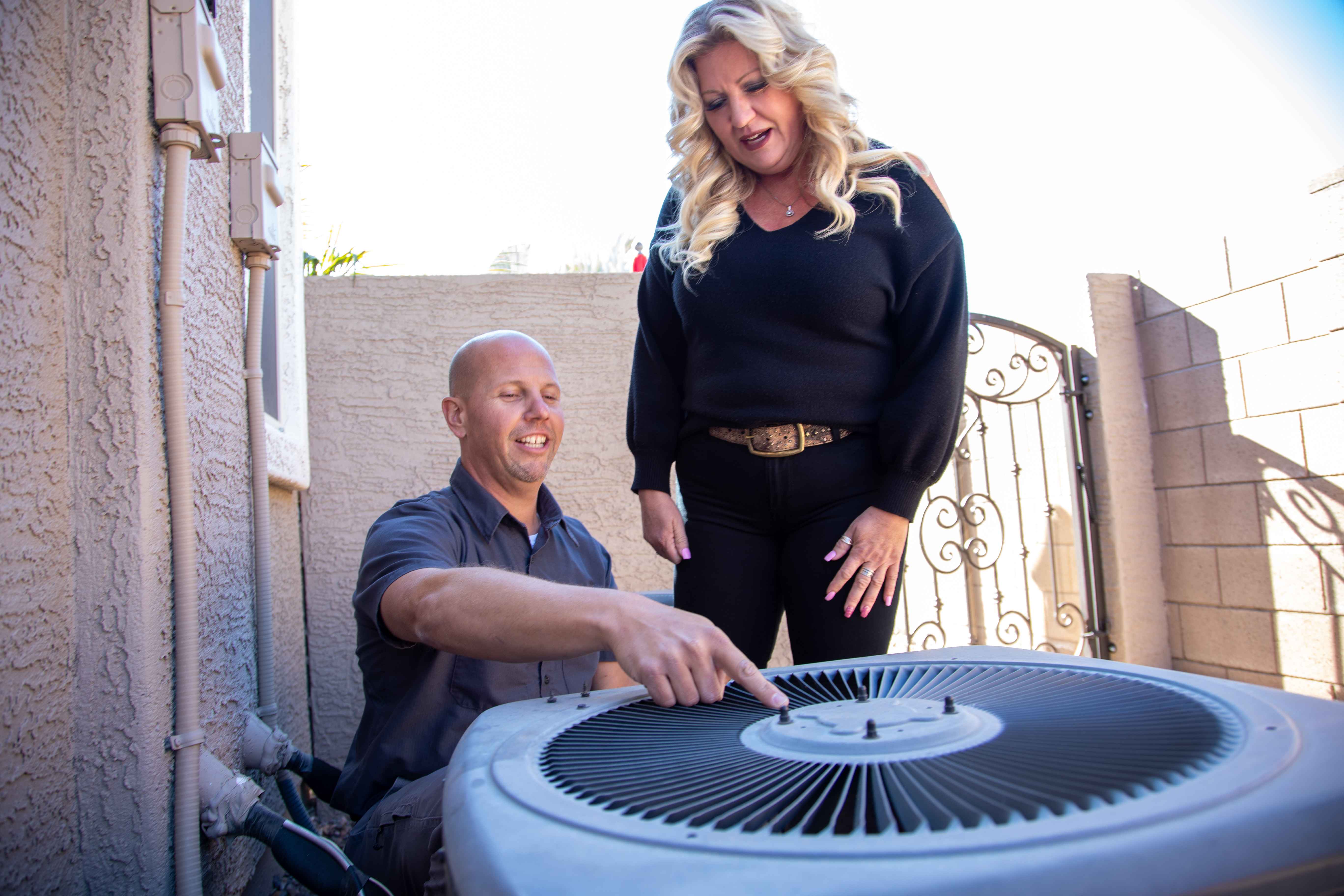
Desert nights can get surprisingly cold. Our expert technicians ensure your heater or furnace is ready for the Arizona winter. We provide fast, honest heating services to keep your family cozy when the sun goes down over the Superstitions.
Expert Furnace Repair & Maintenance
Reliable Heat Pump Services
Energy-Efficient Heating Installation
Emergency Heating Support
_11zon.jpg)
Our heat pump services provide efficient year-round comfort with reliable heating and cooling in one system. We deliver expert repairs, quality installations, and routine maintenance to keep your equipment performing at its best. With our trusted team, you get dependable comfort and energy savings season after season.
Dual Heating & Cooling
Eco-Friendly Comfort
Energy-Efficient Performance
Lower Your Electric Bill
Quiet, Reliable Operation
Long-Term Durability
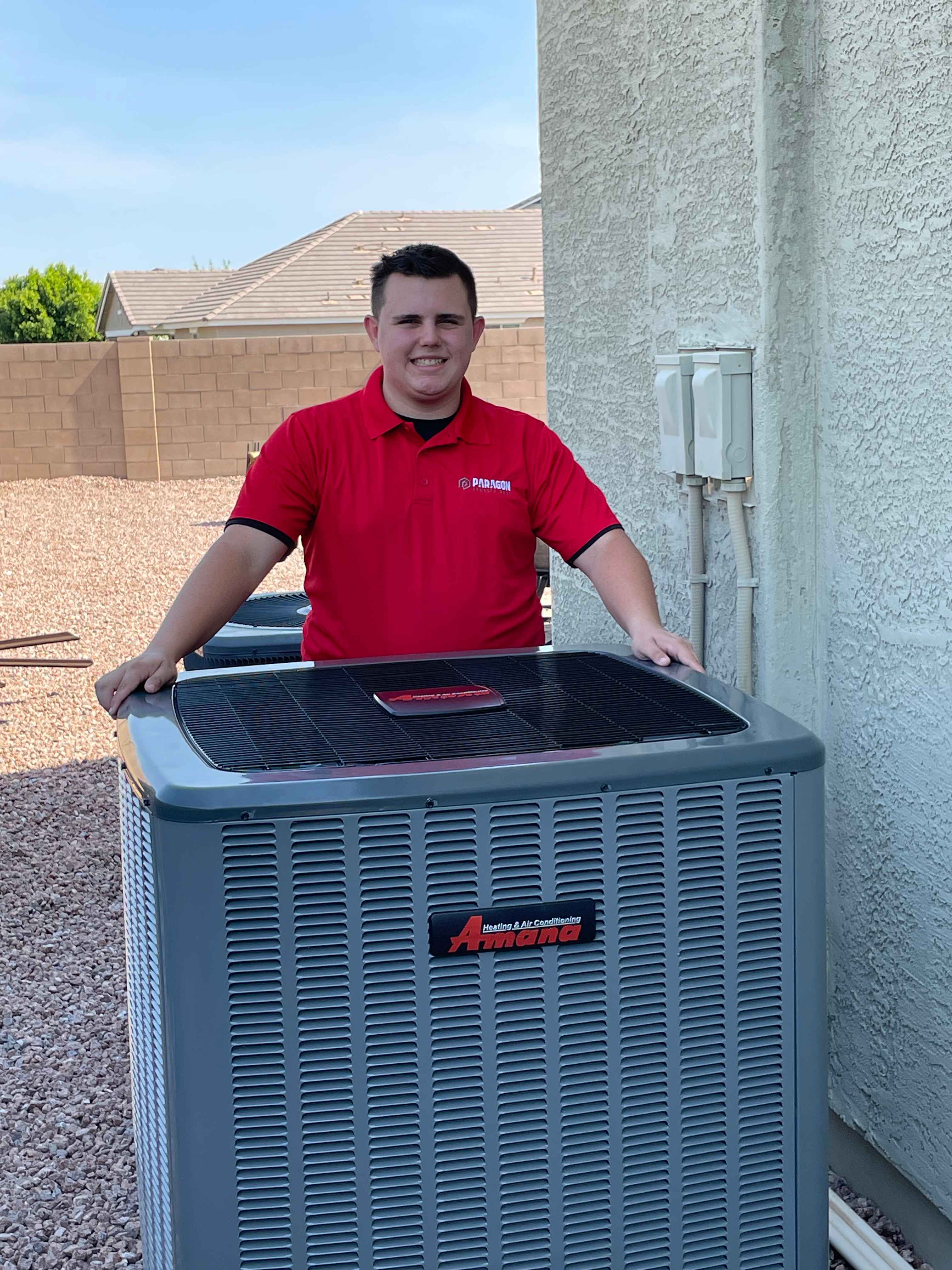
Maximize every inch of your home, from your garage workshop to your Arizona Room. Our ductless mini-split solutions provide targeted comfort for those unique desert spaces that traditional central air can't reach. Perfect for Queen Creek custom homes and Tempe renovations.
High-Efficiency Ductless Cooling
Improved Indoor Air Quality
Precision Temperature Control
Rapid Installation
Smart Home Ready
Professional Ductless Installation

Customer Testimonials
Our customers consistently praise our fast response times, honest communication, and the dependable results they can feel in their home.
How Queen Creek's Afternoon Sun Bakes South-Facing Condensers (And the Shade Solutions That Actually Work)
July 24, 2026
.svg)
Choosing Between a Capacitor Replacement and a New Condenser When Your AC Fails at 110 Degrees
July 23, 2026
Why Topping Off Your AC Freon Every July is Costing You More Than a Permanent Leak Fix
July 22, 2026
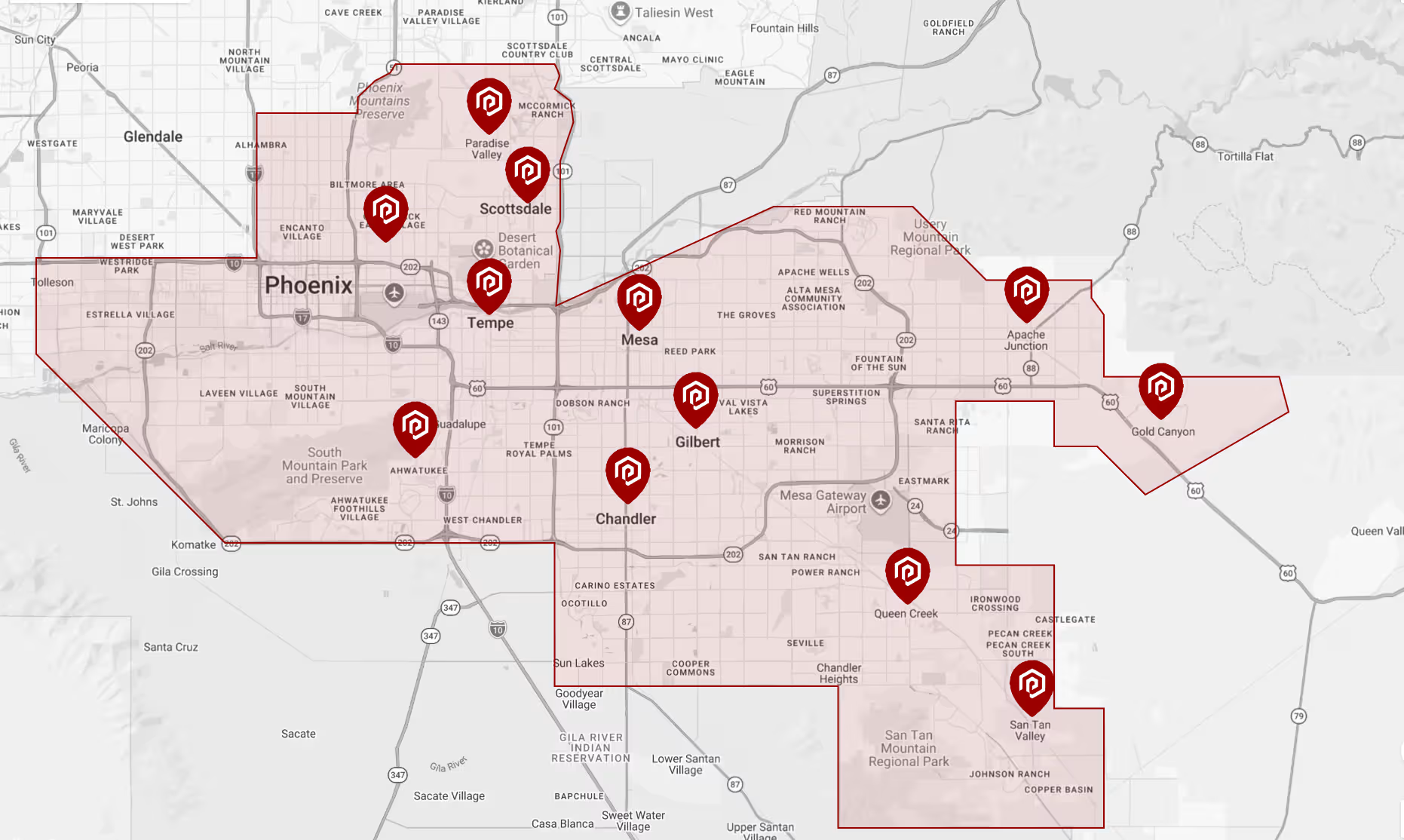
SERVICE AREAS